Siding does more than shape the appearance of your home. It helps protect the exterior walls from rain, wind, moisture, pests, and changing temperatures. When siding becomes loose, cracked, warped, or deteriorated, the underlying structure may become more vulnerable to damage.
Because siding problems often develop gradually, it is not always obvious whether a property needs a limited repair or complete siding replacement. Recognizing the warning signs can help New Jersey homeowners address problems before they affect a larger portion of the exterior.
Why Siding Condition Matters
A properly installed siding system creates a protective exterior layer around your home. It works with the underlying weather-resistant barrier, flashing, trim, and other components to help direct moisture away from the building.
New Jersey properties experience rain, snow, wind, summer heat, winter cold, and repeated temperature changes throughout the year. Over time, these conditions can affect siding panels, seams, fasteners, caulking, trim, and areas around windows and doors.
Damage to one siding panel may be isolated. However, widespread deterioration can indicate that the siding system is no longer providing consistent protection.
Common Signs Your Siding Needs Attention
Some siding concerns are visible from the ground, while others are easier to identify during a professional exterior assessment.
Cracked or Broken Siding
Cracks and breaks can develop from age, impact, weather exposure, or improper installation. A small damaged section may be repairable, but cracks across multiple walls may indicate broader deterioration.
Open areas should be evaluated because they can allow moisture to reach materials beneath the siding.
Loose or Missing Panels
Strong winds can loosen siding or pull panels away from the building. Missing sections expose the underlying exterior and should be addressed promptly.
Loose siding may also produce rattling or movement during windy conditions. The surrounding panels and fastening system should be reviewed to determine whether the problem is isolated.
Warping and Buckling
Siding should generally lie evenly against the exterior. Panels that appear warped, bowed, or buckled may have been affected by heat, moisture, installation issues, or restricted movement.
Because visible warping can have several causes, the area should be examined before deciding on repair or replacement.
Fading and Surface Deterioration
Some fading is a normal result of sun and weather exposure. Uneven discoloration, peeling finishes, chalking, or widespread surface deterioration may indicate that the siding is aging.
Appearance alone does not always mean replacement is necessary, but extensive wear can help homeowners decide when an exterior update makes sense.
Moisture or Staining
Water stains, mildew-like discoloration, soft materials, or recurring moisture near siding may indicate a drainage, flashing, sealing, or installation problem.
The visible stain may not identify the exact source. Water can travel behind exterior components before appearing elsewhere, so the surrounding siding, trim, windows, gutters, and roof edges may also need to be evaluated.
Increasing Maintenance
Older siding can require frequent painting, sealing, patching, or repairs. If maintenance is becoming more regular while new problems continue to appear, replacement may offer a more practical long-term solution.
Siding Repair Versus Siding Replacement
The right option depends on the extent of the damage, the age of the siding, the availability of matching materials, and the condition of the underlying wall.
A siding repair may be appropriate when:
- Damage is limited to a small area.
- The surrounding siding remains in good condition.
- Compatible replacement materials are available.
- There is no widespread moisture damage.
- The issue can be corrected without disturbing large sections.
Complete siding replacement may be more practical when:
- Damage appears across several exterior walls.
- Panels are repeatedly becoming loose or cracked.
- The existing material has reached an advanced age.
- Moisture has affected multiple areas.
- Matching discontinued siding is unavailable.
- The homeowner wants to update the entire exterior.
- Ongoing repairs are no longer cost-effective.
A professional assessment can help determine whether the visible problem is isolated or part of a larger siding issue.
Siding Options for New Jersey Homes
Different siding materials offer different combinations of appearance, maintenance, cost, and durability.
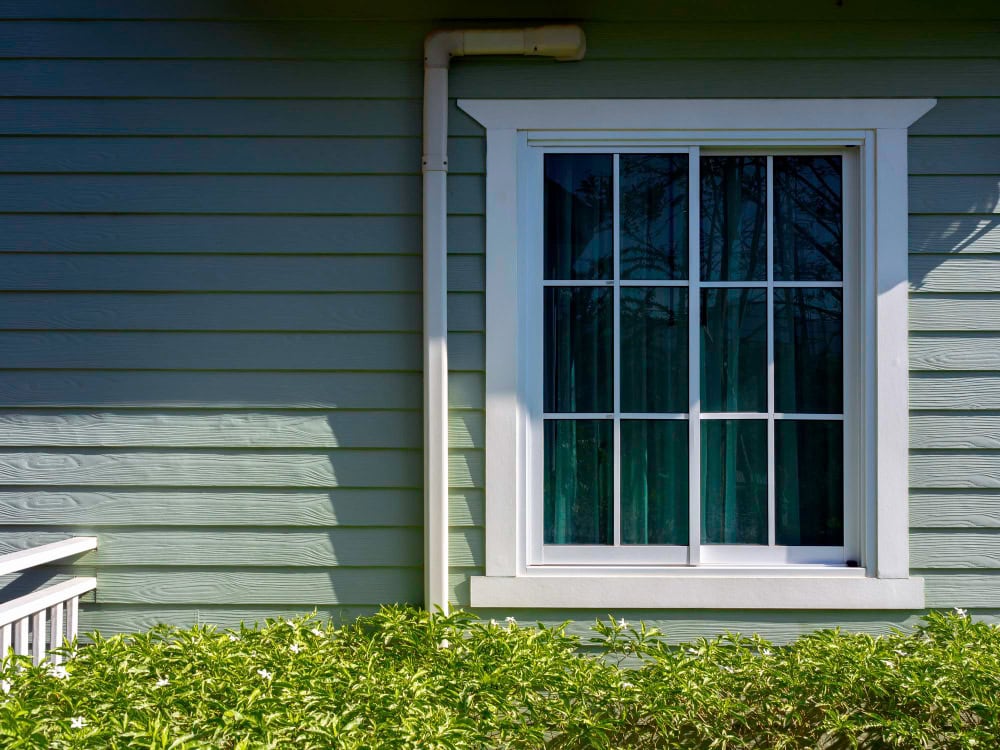
Vinyl Siding
Vinyl siding is widely used because it is available in many colors and profiles and generally requires limited routine maintenance. It can suit homes ranging from traditional suburban properties to newer construction.
Fiber Cement Siding
Fiber cement siding can provide the appearance of painted wood while offering resistance to many common exterior conditions. It is heavier than vinyl and requires proper handling and installation.
Wood Siding
Wood siding offers a natural, traditional appearance that can complement historic and custom homes. It typically requires more regular maintenance to protect the surface from moisture and weather exposure.
Metal Siding
Metal siding can offer a clean appearance and durable exterior coverage for certain residential and commercial properties. The suitability of the material depends on the building design and desired finish.
The best option for a specific home depends on its architecture, existing wall system, maintenance expectations, preferred appearance, and project budget.
What Happens During a Siding Project?
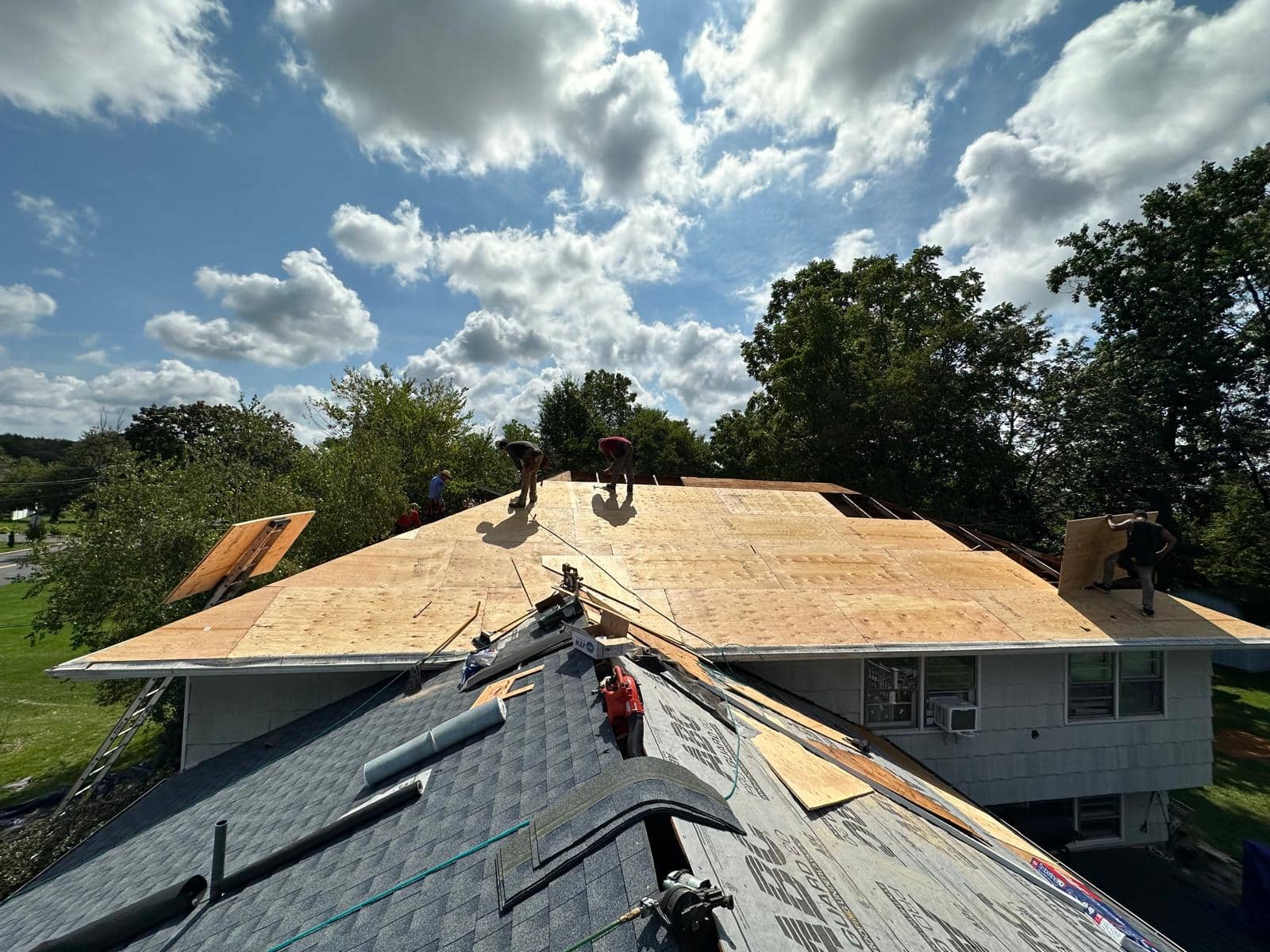
A siding project should begin with an assessment of the exterior. The contractor reviews visible damage, discusses the homeowner’s concerns, and examines accessible areas around windows, doors, corners, rooflines, and trim.
If replacement is recommended, the proposed material, color, profile, removal requirements, and scope of work should be discussed before installation begins. Once the existing siding is removed, previously hidden conditions may become visible. Any necessary changes to the approved scope should be explained before additional work proceeds.
The installation process may include preparing the exterior, addressing approved underlying concerns, installing the required barrier or accessories, fitting the new siding, and completing trim and finishing details.
Improve and Protect Your Home’s Exterior
New siding can refresh a property’s appearance while helping protect the walls beneath it. The most important step is choosing a system suited to the home and having it installed with careful attention to transitions, openings, trim, and drainage.
Unlimited Pro Construction provides siding repair, replacement, and installation services for homeowners and businesses throughout New Jersey. With more than 25 years of construction experience, our team can evaluate your siding and explain practical options for your property.
Call (973) 666-2870 to arrange a free on-site estimate.
Unlimited Pro Construction
NJ License #13VH11083200
32 Samuel Avenue, Clifton, NJ 07013